

Expanded Metal Perforated Sheet

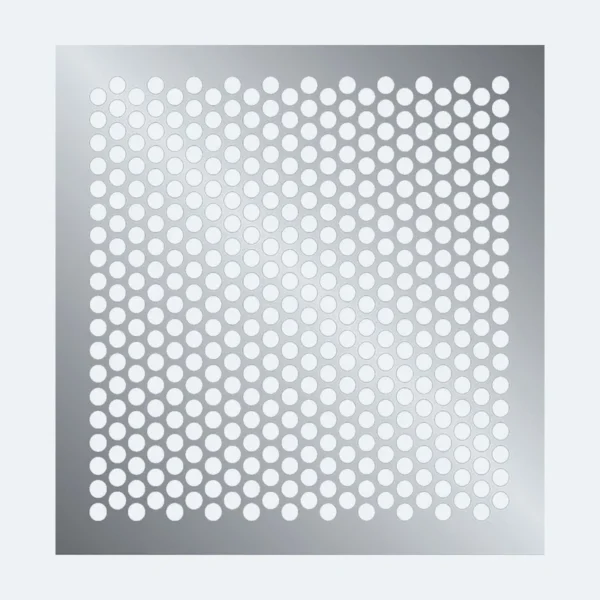
What Is Expanded Metal?
Expanded metal sheets are a type of sheet metal produced on eccentric press machines operating on different axes, where slitting and stretching processes are applied to the sheet simultaneously with the help of specially alloyed steel blade dies. Since this production method generates no scrap from the gaps created, it is an economically advantageous product.
Expanded metal can be produced from various materials, and the material selection generally depends on factors such as the intended use, environmental conditions, and required strength or corrosion resistance. (For example, materials such as stainless steel, aluminium, cold rolled steel, hot rolled steel, or galvanised metal can be selected.) The pattern of expanded metal can vary with openings of different shapes and sizes depending on the specific requirements of the application.
What Are the Properties of Expanded Metal?
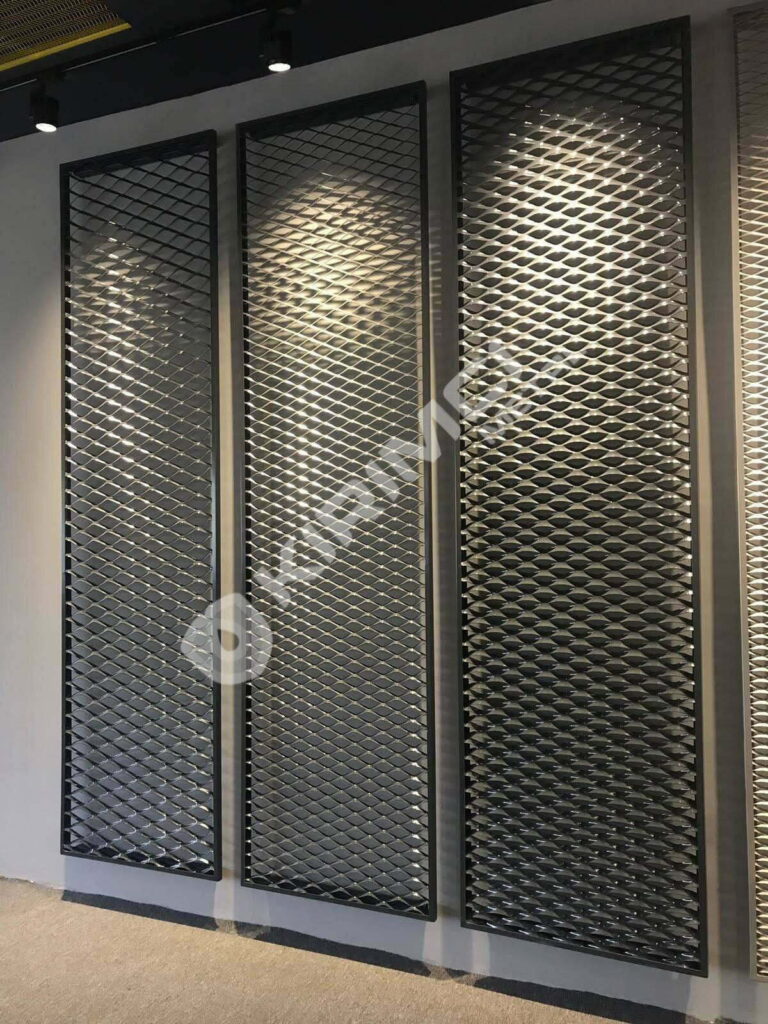
Expanded Sheet Metal Application
Expanded metal offers a versatile range of uses, including security, aesthetics and decoration, storage, ventilation, protection, and partitioning. We can list the other properties of expanded metal as follows:
Cost-effectiveness: Since its weight per square metre is low, it is economical in terms of cost and does not add excessive weight to the structure it is used on.
Durability: Since it is produced as a single piece without the use of welding, it does not tear or separate, is resistant to wind, and does not tip over. It is resistant to impacts and offers the advantage of long-term use.
Easy Installation and Transport: Stacking, installation, and transport of expanded metals are easy.
Efficient Production: Since no waste scrap is generated during production, it does not harm the environment.
Good Conductor: Being a single piece, it conducts electricity, magnetic flux, and heat excellently.
Permeability: It allows air, liquid, and light to move freely.
Security: Since the gaps on the sheet are not large enough for hands or feet to pass through, it prevents climbing and passage.
What Are the Types of Expanded Metal?
Standard Expanded Metal
Standard expanded metal is the most widely used and most economical model. With its openings and versatile design, it is used in various industries.
Flattened Expanded Metal
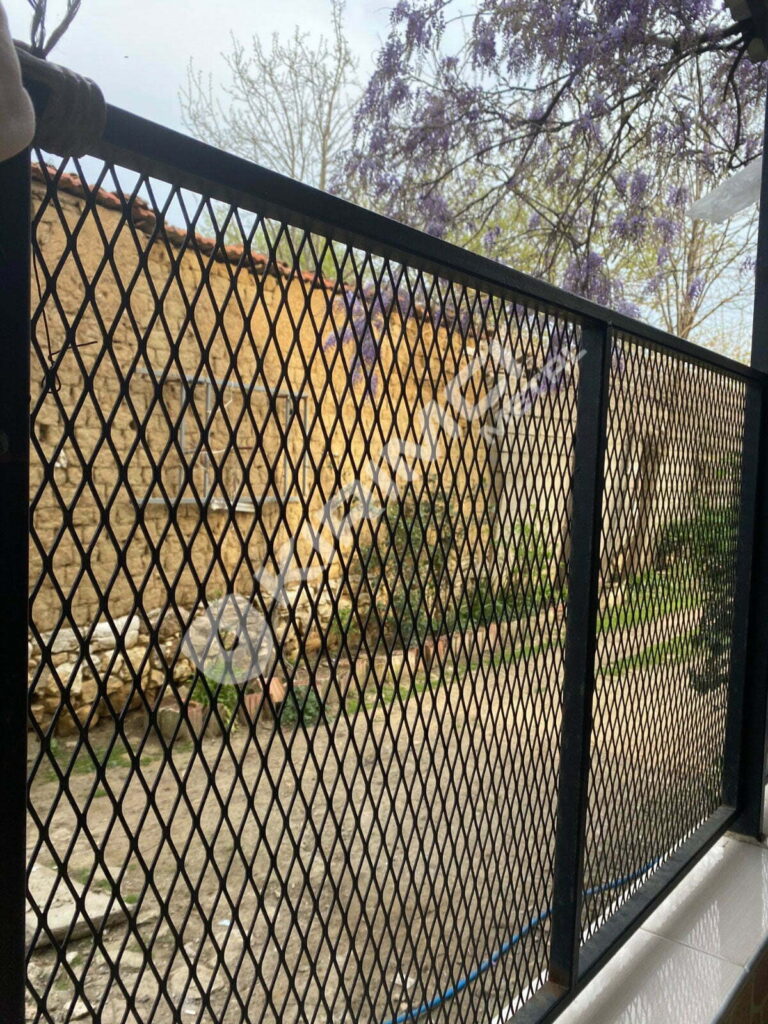
Expanded Sheet Metal Application
If a smooth surface is desired, flattened expanded metal can be selected. Flattened expanded metal is produced by flattening cold rolled expanded metal with the help of a wheel machine. The flattening process generally extends the length of the sheet by 5%.
Micro Expanded Metal
Micro expanded metal has small openings in lightweight metal. The openings can be standard, flattened, hexagonal, or square. This type of expanded metal is generally used in filters.
How Is Expanded Metal Produced?
Expanded metal is a type of sheet metal produced on eccentric press machines operating on different axes, where slitting and stretching processes are applied to the sheet simultaneously with the help of specially alloyed steel blade dies.
Since this production method generates no scrap from the gaps created, it is an economically advantageous product.
Depending on the intended application, expanded metal can be produced directly in the dimensions required for projects.
Where Is Expanded Metal Used?
With their advantages of functionality, light weight, and sustainability, expanded metals have a very wide range of uses, including architecture, construction, automotive, chemicals, energy, machinery, and food.
As Kirimci Metal, the uses of the different sizes of expanded metals in our product range are as follows:
– Façade cladding
– Garden fences
– Furniture and decoration applications
– Walkways
– Ceiling systems
– Ventilation systems
– Machinery industry
What Factors Affect Expanded Metal Prices?
We can state that the price of expanded metal varies depending on the type of material used in production and the sheet thickness. In addition, other factors that may affect the price are as follows:
-Material Type and Grade: The type of metal used, such as steel, aluminium, stainless steel, or others, can significantly affect the cost.
-Material Thickness: Thicker materials generally cost more due to the increased amount of metal used.
-Surface: Special treatments such as galvanised coating or powder coating applied for corrosion resistance can increase the overall cost.
-Custom Manufacturing: Requests such as complex or custom designs and non-standard dimensions can affect the cost, as they require more time and precision. Additional processing steps such as levelling can contribute to higher costs.


