


Expanded Metal Sheets


Expanded metal sheets are a type of sheet metal produced by simultaneously slitting and stretching the sheet using specially alloyed steel blade dies on eccentric press machines operating on different axes. Since this production method generates no waste from the gaps, it is an economically advantageous product.
Expanded metal can be produced from various materials, and material selection generally depends on factors such as the intended use, environmental conditions, and required strength or corrosion resistance. (For example, materials such as stainless steel, aluminium, cold rolled steel, hot rolled steel, or galvanised metal may be selected.) The pattern of expanded metal can vary with different shapes and sizes of openings, depending on the specific requirements of the application.
What Are the Properties of Expanded Metal?
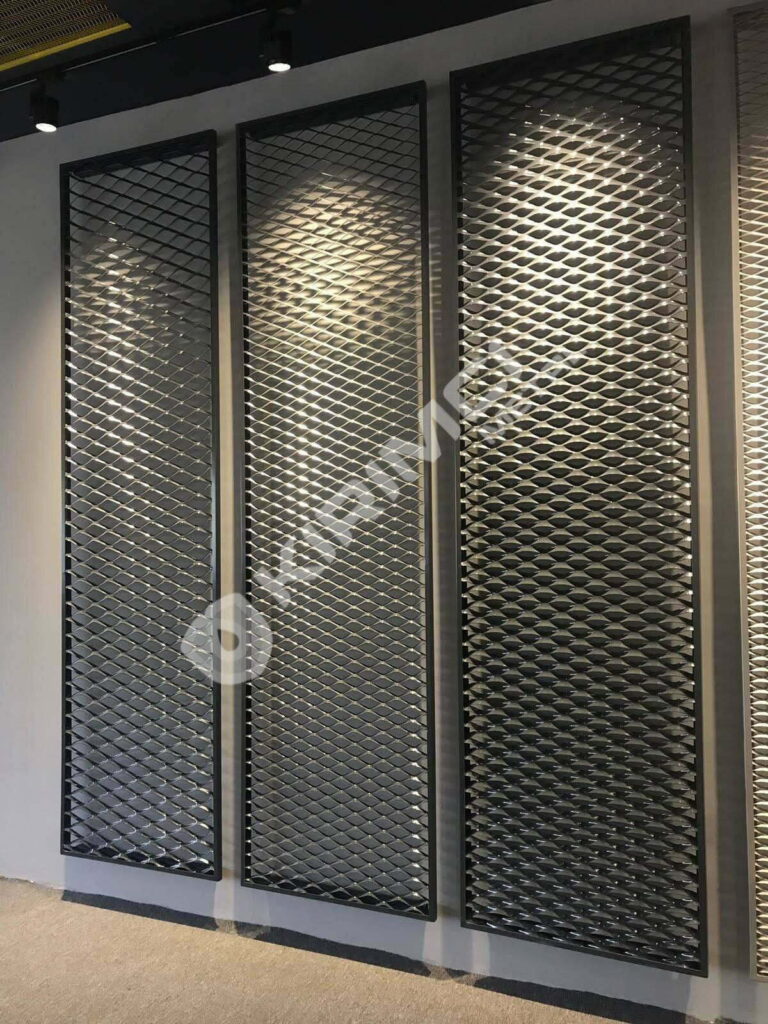
Expanded Sheet Application
Expanded metal offers versatile use for purposes such as security, aesthetics and decoration, storage, ventilation, protection, and partitioning. Other properties of expanded metal can be listed as follows:
Cost-effectiveness: As its weight per square metre is light, it is economical in terms of cost and does not add excessive weight to the structure it is used on.
Durability: Since it is produced as a single piece without the use of welding, it does not break apart or separate, is resistant to wind, and does not tip over. It is resistant to impacts and offers the advantage of long-term use.
Easy installation and transport: Stacking, installation, and transport of expanded metal sheets are easy.
Efficient production: Since no waste scrap is generated during production, it does not harm the environment.
Good conductivity: Being a single piece, it conducts electricity, magnetic flux, and heat excellently.
Permeability: It allows air, liquid, and light to move freely.
Security: Since there are no gaps large enough for hands or feet to pass through on the sheet, it prevents climbing and does not allow passage.
What Are the Types of Expanded Metal?
Standard Expanded Metal
Standard expanded metal is the most widely used and most economical model. With its openings and versatile design, it is used across various industries.
Flattened Expanded Metal
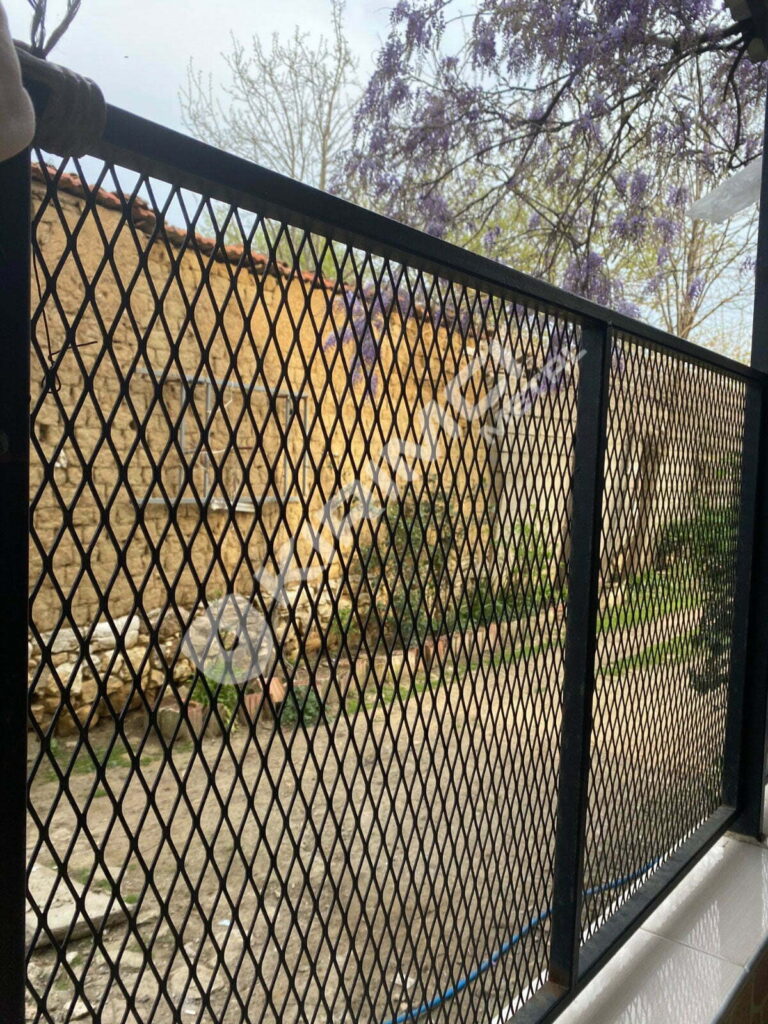
Expanded Sheet Application
If a smooth surface is desired, flattened expanded metal can be chosen. Flattened expanded metal is produced by flattening cold rolled expanded metal using a wheel machine. The flattening process generally extends the length of the sheet by 5%.
Micro Expanded Metal
Micro expanded metal has small openings in light-gauge metal. The openings can be standard, flattened, hexagonal, or square. This type of expanded metal is typically used in filters.
How Is Expanded Metal Produced?
Expanded metal is a type of sheet metal produced by simultaneously slitting and stretching the sheet using specially alloyed steel blade dies on eccentric press machines operating on different axes.
Since this production method generates no waste from the gaps, it is an economically advantageous product.
Depending on the intended application, expanded metal can be produced directly to the required dimensions suitable for projects.
Where Is Expanded Metal Used?
Expanded metals offer a very wide range of applications thanks to their functionality, light weight, and sustainability advantages, including architecture, construction, automotive, chemical, energy, machinery, and food industries.
As Kirimci Metal, the usage areas of the expanded metals in different sizes within our product range are as follows:
– Façade cladding
– Garden fences
– Furniture and decoration applications
– Walkways
– Ceiling systems
– Ventilation systems
– Machinery industry
What Factors Affect Expanded Metal Prices?
We can state that the price of expanded metal varies depending on the type of material used in production and the sheet thickness. In addition, other factors that may affect the price are as follows:
-Material Type and Grade: The type of metal used, such as steel, aluminium, stainless steel, or others, can significantly affect the cost.
-Material thickness: Thicker materials are generally more expensive due to the increased amount of metal used.
-Surface: Special treatments such as galvanised coating or powder coating for corrosion resistance can increase the overall cost.
-Custom Manufacturing: Requests such as complex or custom designs and non-standard sizes can affect the cost, as they require more time and precision. Additional process steps such as flattening can contribute to higher costs.


