


Laser Cut Sheets


What Is Laser Cutting?
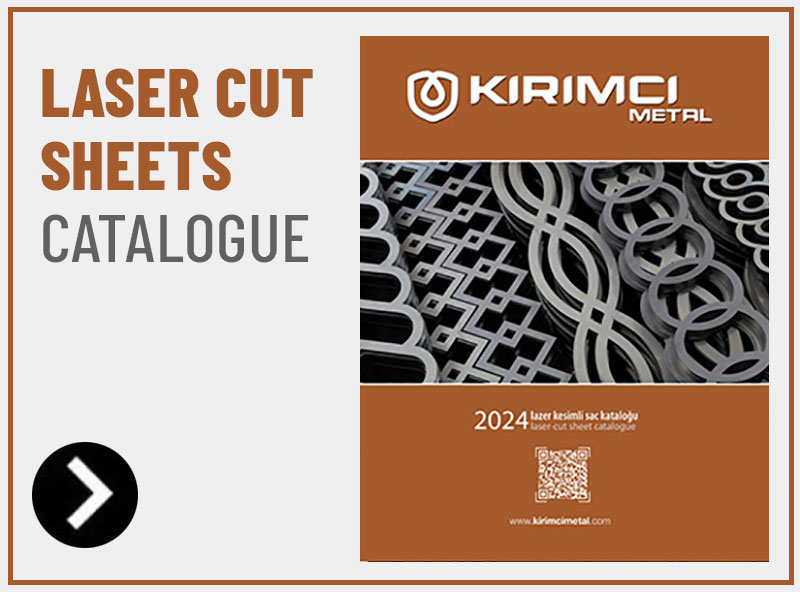
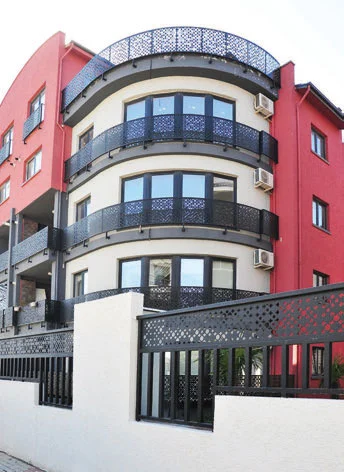 Laser cutting refers to the process of using a laser beam to precisely cut metal sheets or objects. This method offers a high degree of precision and versatility in creating intricate designs, patterns and shapes on various types of metal, including iron, DKP and HRP sheet, hot rolled (black) sheet, steel, aluminium, brass and copper.
What Are the Production Steps of the Laser Cutting Process?
The laser cutting process is carried out on laser cutting machines manufactured using advanced technology, utilising the high energy of laser beams together with various gases. The steps of this production method are as follows:
Design: The design is created using computer-aided design software. The digital file containing the design is transferred to the laser cutting machine.
Material: The metal sheet to be cut is placed on the bed of the laser cutting machine.
Laser Cutting: A high-powered laser beam is directed onto the surface of the metal. The laser energy melts, burns or vaporises the material, creating the desired cut or pattern.
Cooling and Ventilation: Cooling systems such as coolant or compressed air are often used during the cutting process to prevent the metal from overheating. Ventilation systems help remove the smoke or particles generated during laser cutting.
Quality Control: Once the cutting process is complete, the finished product is inspected for conformity with the design, accurate cutting, smooth edges and overall quality.
What Are the Benefits of Using Laser Cutting?
The use of laser-cut sheet metal offers various advantages, making it a popular choice across industries ranging from manufacturing and automotive to art and architecture. Here are some key benefits:
 Fast Production: Laser cutting is a fast and efficient process. It can complete intricate cuts in a relatively short time, contributing to increased productivity and faster turnaround times for projects.
Efficient Production: Since less material is wasted during the laser cutting process, it is advantageous in terms of cost savings and keeps environmental pollution to a minimum.
Material Variety: Laser cutting is a versatile process that can be applied to a wide range of metals, including steel, aluminium, brass and copper. Since it can process metal sheets of different thicknesses, this production method is suitable for various applications across industries.
Precision: Laser cutting makes cuts based on the digital data loaded into the machine. Using this production method, where the margin of error is almost zero, we can achieve precise and low-tolerance intricate patterns.
Automation: Laser cutting can be easily automated, allowing designs to be reproduced consistently and precisely.
These points demonstrate why laser cutting is more advantageous than other production methods.
What Are the Application Areas of Laser Cut Sheet Metal?
Industry: Precision Parts: Laser cutting is used to produce highly precise and intricate parts for machines and equipment.
Automotive: The precision of laser cutting enables the flawless production of customised parts and designs in the automotive industry.
Aerospace: Used to produce lightweight, high-precision components for aircraft and spacecraft.
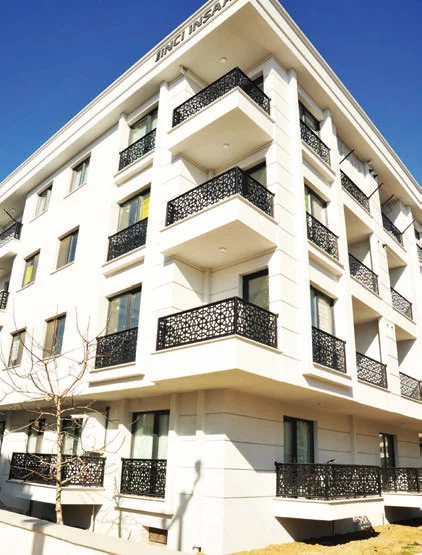
Architecture: Laser-cut metal is used for decorative architectural elements such as screens, panels and façades.
Art: Artists and designers use laser-cut metal to create intricate sculptures, artworks and decorative pieces.
These are just a few examples, and as technology advances and industries find new ways to take advantage of the precision and flexibility offered by laser cutting, the applications of laser-cut metal will continue to expand.
What Factors Affect the Cost of Laser Cut Sheet Metal?
 The main factor affecting the production cost of laser-cut sheet metal is the type and thickness of the material to be used. For thicker materials, the cost will increase due to the greater amount of material required and the increased energy needed to cut it.
Dense and intricate patterns will increase the time required for laser cutting, thereby increasing the cost as well.
Galvanising, painting or other coating processes carried out after cutting can also increase the overall cost.
When estimating the cost of laser-cut sheet metal, it is important to take these factors into account and understand how each one contributes to the final pricing. We invite you to get in touch with us to learn more.


